Could Lion’s Mane Mushroom Help Prevent or Delay Dementia and Alzheimer’s?
It’s a question I get asked more and more. People are worried about their memory, about their parents, about what the future might hold. And honestly, it’s one of the reasons I’m so passionate about what we do here at Healing from Within.
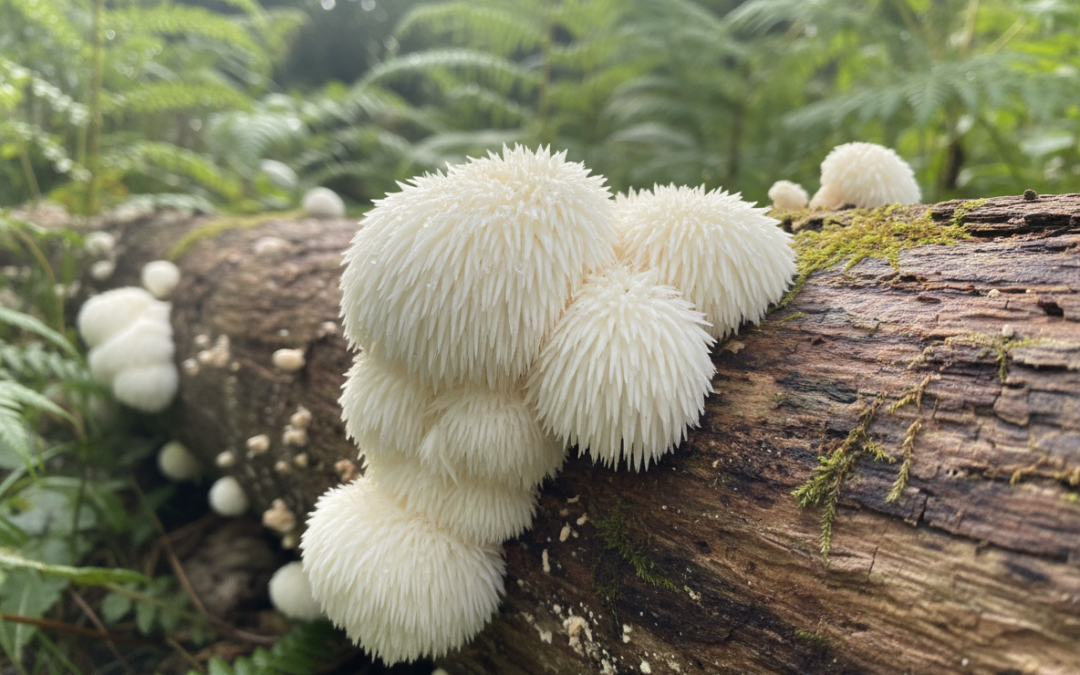
Lion’s Mane mushroom has been used in traditional medicine for centuries, but now modern science is starting to catch up. Researchers are looking closely at whether this remarkable fungus could actually help protect our brains as we age, and the findings about Lion’s Mane for cognitive health are genuinely exciting.
What the Science Is Showing Us About Lion’s Mane and Brain Health
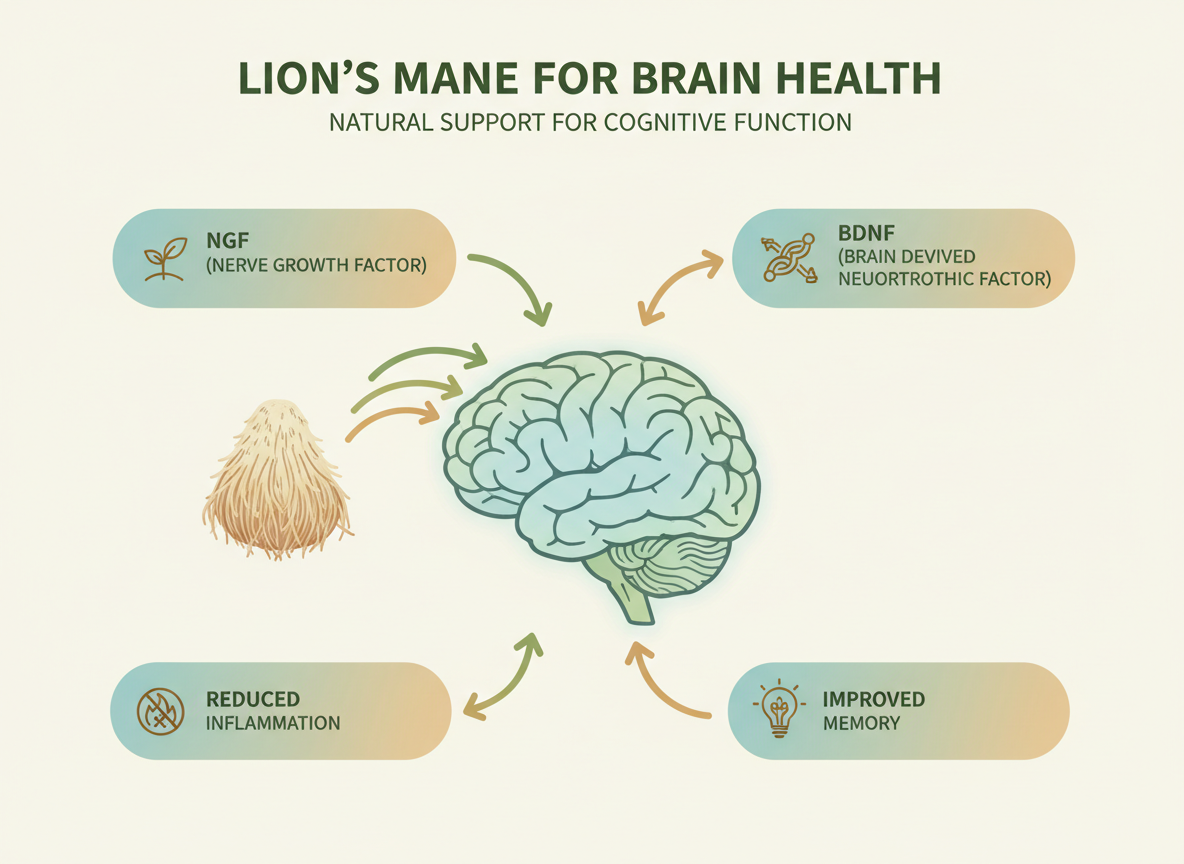
Here’s what makes Lion’s Mane for dementia prevention so interesting. This mushroom contains compounds that seem to stimulate something called nerve growth factor, or NGF. Think of NGF as food for your brain cells. It helps them grow, repair themselves, and form new connections.
There’s also something called brain derived neurotrophic factor, or BDNF, which works in a similar way. Both of these are absolutely crucial for keeping our brains healthy and adaptable. And as we get older, our natural production of these protective compounds tends to drop. That’s where Lion’s Mane for memory improvement might step in.
A study published in Biomedical Research back in 2011 looked at mice that had been given a substance to mimic Alzheimer’s disease. The mice that were also given Lion’s Mane showed significantly less cognitive decline. Their brains were better protected against the damage that typically happens with this disease.
Then in 2019, researchers writing in the International Journal of Medicinal Mushrooms found that Lion’s Mane helped reduce the buildup of amyloid plaques in the brain. These plaques are one of the hallmark signs of Alzheimer’s, so anything that helps clear them away is worth paying attention to.
Real People, Real Results: Clinical Studies on Lion’s Mane for Dementia
But what about actual humans, not just mice in a lab?
There was a really interesting study done in Japan in 2009, published in Phytotherapy Research. They gave people aged 50 to 80 who had mild cognitive impairment a Lion’s Mane supplement for 16 weeks. The results were encouraging. The people taking Lion’s Mane showed improvement in their cognitive function scores compared to the placebo group. Even more interesting, when they stopped taking it, their scores started to decline again.
Another study in 2020, this one in Frontiers in Aging Neuroscience, found that older adults taking Lion’s Mane for 49 weeks showed better scores on cognitive tests, particularly the MMSE, which doctors use to assess memory and thinking skills.
Now, I want to be really clear here. These studies are promising, but they’re also relatively small. Lion’s Mane isn’t a cure for dementia or Alzheimer’s. What it might be, though, is a supportive tool for natural dementia prevention. Something that helps protect and nourish your brain over time, especially when combined with other healthy lifestyle choices.
The Gut Brain Connection and Cognitive Health
There’s another piece to this puzzle that doesn’t get talked about enough. Your gut and your brain are in constant communication. In fact, about 90% of your serotonin is made in your gut, not your brain.
Lion’s Mane has been shown to support the growth of beneficial bacteria in your gut. When your gut is healthy, it reduces inflammation throughout your whole body, including your brain. Chronic inflammation is one of the key drivers of cognitive decline, so keeping it in check matters.
This connection between gut health and brain health is something we’re only just beginning to fully understand, but it’s becoming clear that they’re deeply intertwined.
Beyond Memory: Other Lion’s Mane Benefits for Brain Health
People who take Lion’s Mane often tell me they notice other things too. Better mood. Less anxiety. Improved sleep. Clearer thinking during the day. These aren’t just nice bonuses. They all contribute to overall brain health.
When you’re less stressed, sleeping better, and feeling more balanced, your brain has the space and resources it needs to repair and maintain itself. It’s all connected.
How We Grow Our Own Lion’s Mane Mushrooms in Wales
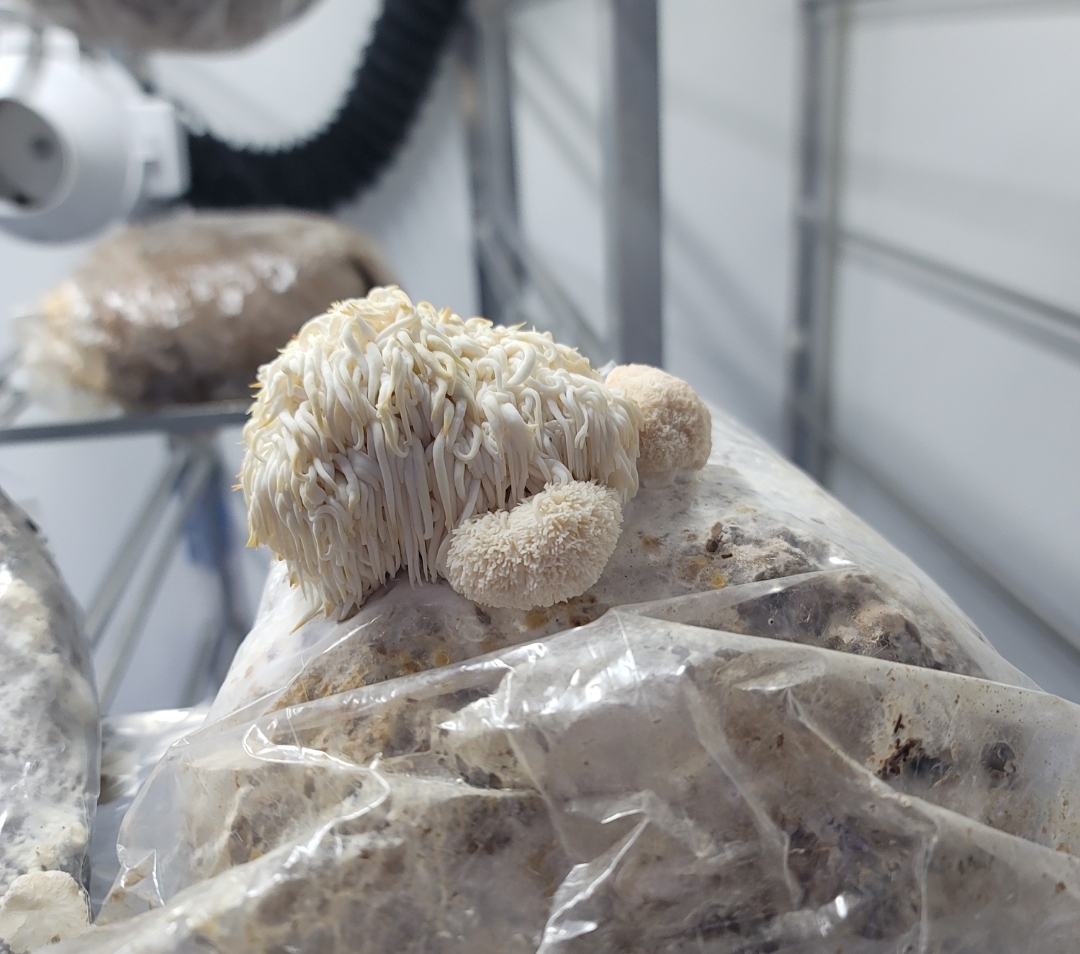
We don’t just buy our Lion’s Mane from suppliers. We actually grow it ourselves, right here on our land in South West Wales, from the very beginning.
It starts with spores. We take those tiny spores and use them to colonise our own grain spawn. Once that’s ready, we use it to colonise the substrate, and that’s where the magic happens. The mycelium spreads through, and eventually, those beautiful Lion’s Mane mushrooms begin to fruit.
We use as much of our own homegrown Lion’s Mane as we possibly can. There’s something really special about knowing exactly where it came from, how it was grown, and the care that went into every stage. It’s all part of keeping things honest, sustainable, and deeply connected to the land.
Our Lion’s Mane tinctures are made using dual extraction, which means we get both the water soluble and alcohol soluble compounds from the mushroom. That gives you the full spectrum of what Lion’s Mane has to offer for cognitive health and memory support.
The Honest Truth About Lion’s Mane for Alzheimer’s Prevention
So, could Lion’s Mane help prevent or delay dementia and Alzheimer’s? The research suggests it might play a supportive role in natural dementia prevention. It’s not a magic bullet, and it’s not a replacement for medical care. But as part of a broader approach to brain health, it’s showing real promise.
If you’re thinking about your own cognitive health, or that of someone you love, Lion’s Mane is worth considering. It’s gentle, it’s natural, and it’s backed by both traditional use and growing scientific evidence.
We make our Lion’s Mane tincture with care and intention, from spore to bottle. If you’d like to give it a try, you can find it in our shop.
Your brain deserves all the support you can give it.
Frequently Asked Questions About Lion’s Mane and Dementia
Can Lion’s Mane reverse dementia or Alzheimer’s disease?
No, Lion’s Mane cannot reverse dementia or Alzheimer’s disease. However, research suggests it may help support cognitive function and potentially slow cognitive decline when used as part of a broader brain health strategy. It’s not a cure, but it may offer supportive benefits for memory and mental clarity.
How much Lion’s Mane should I take for brain health?
Most studies showing cognitive benefits used doses between 750mg to 3000mg daily. Our dual extracted Lion’s Mane tincture provides concentrated compounds from the whole mushroom. Always start with the recommended dose on the label and consult your healthcare provider, especially if you’re taking other medications.
How long does it take for Lion’s Mane to work for memory?
Clinical studies have shown improvements in cognitive function after 8 to 16 weeks of consistent use. Some people report noticing clearer thinking and better focus within a few weeks, but for memory support and cognitive health, it’s best to think of Lion’s Mane as a long term supplement rather than a quick fix.
Is Lion’s Mane safe for elderly people with dementia?
Lion’s Mane is generally considered safe and well tolerated. The Japanese study specifically looked at adults aged 50 to 80 with mild cognitive impairment and found it safe. However, anyone with existing health conditions or taking medications should always consult their doctor before starting any new supplement.
What’s the difference between Lion’s Mane powder and tincture?
A dual extracted tincture captures both water soluble and alcohol soluble compounds from Lion’s Mane, giving you the full spectrum of beneficial compounds including polysaccharides and triterpenes. Powders may not extract all the active compounds your body can use. Our tinctures are more concentrated and bioavailable, meaning your body can absorb and use them more effectively.
Can I take Lion’s Mane with other dementia medications?
While Lion’s Mane is a natural supplement, it’s essential to talk to your doctor before combining it with any dementia medications like donepezil or memantine. They can advise on potential interactions and whether it’s appropriate for your specific situation.
Does Lion’s Mane help with age related memory loss?
Research suggests Lion’s Mane may support cognitive function in people experiencing age related memory decline. The 2009 Japanese study found improvements in people with mild cognitive impairment, which is often a precursor to more serious memory issues. Many people use it as a preventative measure for brain health as they age.